


The candy market continues to evolve in 2026. Consumers are no longer looking only for something sweet—they are increasingly attracted to products that offer interesting textures, bold flavors, interactive experiences and eye-catching appearances.
Industry coverage in 2026 shows texture becoming an increasingly important part of confectionery innovation, while intense flavors, social-media-friendly experiences and playful formats are also influencing new product development.
For candy importers, distributors, wholesalers and brands, understanding these trends can help identify products with stronger differentiation and retail potential.
Here are 7 candy trends worth watching in 2026.
1 Texture Takes Center Stage
For years, flavor has been one of the main ways candy brands differentiate their products. In 2026, however, texture is becoming just as important to product innovation.
56%
Consumers are showing greater interest in contrasting and multi-layered textures. According to 2026 reporting citing Mintel research, around 56% of consumers seek interesting texture combinations in indulgent products.
This creates opportunities for products combining different sensory experiences, such as:
- Crunchy outside + chewy inside
- Soft gummy + crispy coating
- Chewy candy + coconut coating
- Gummy + sour powder
- Soft center + crunchy shell
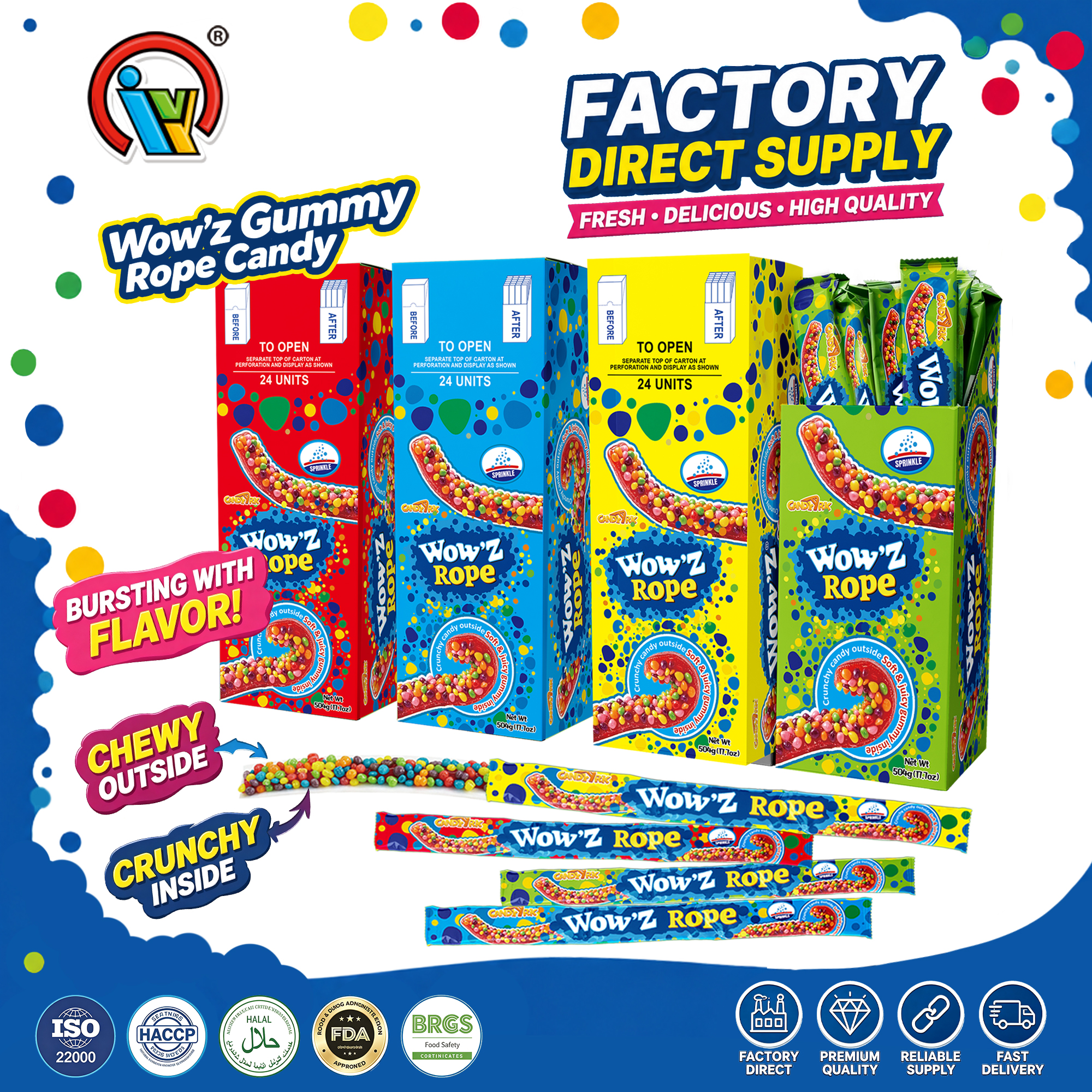
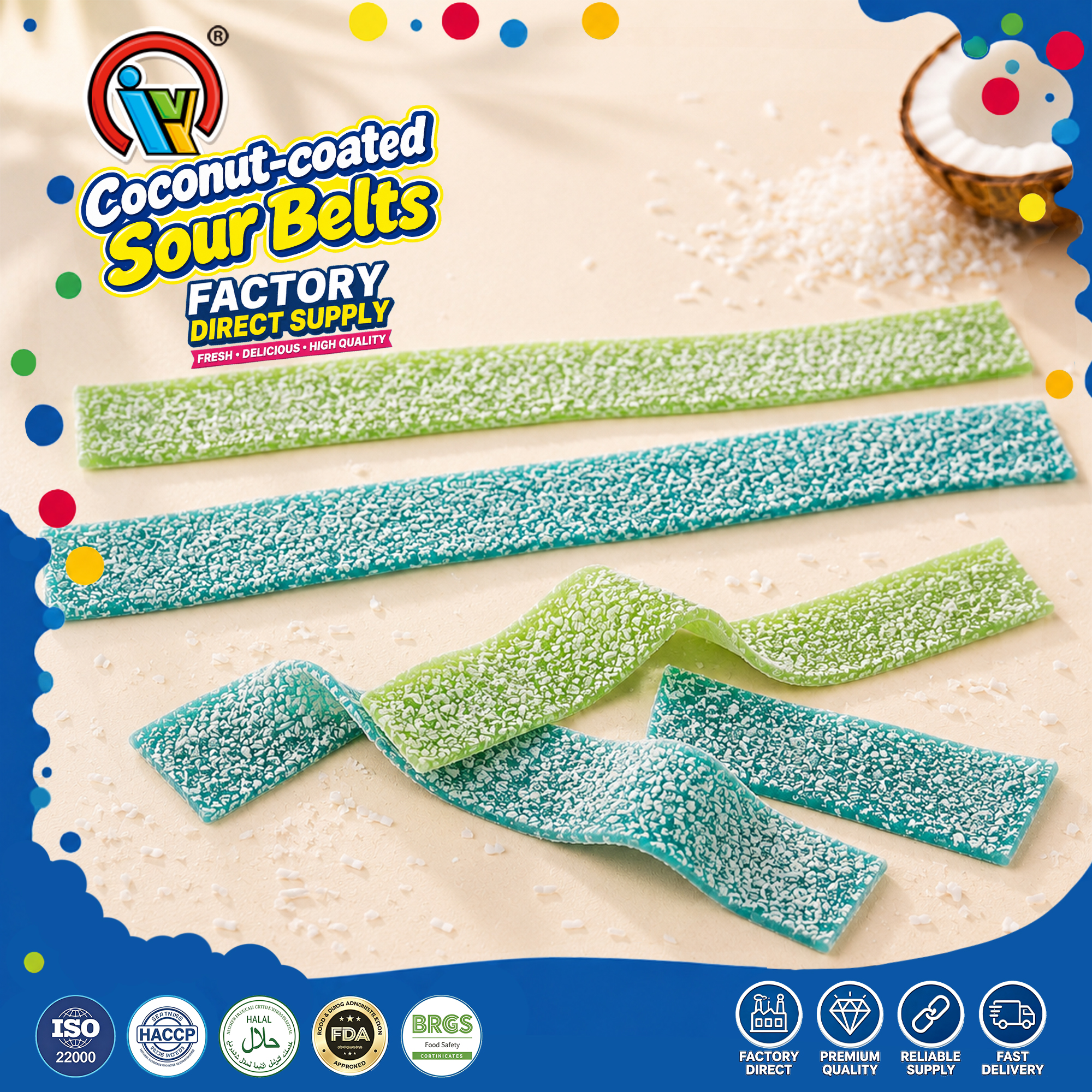
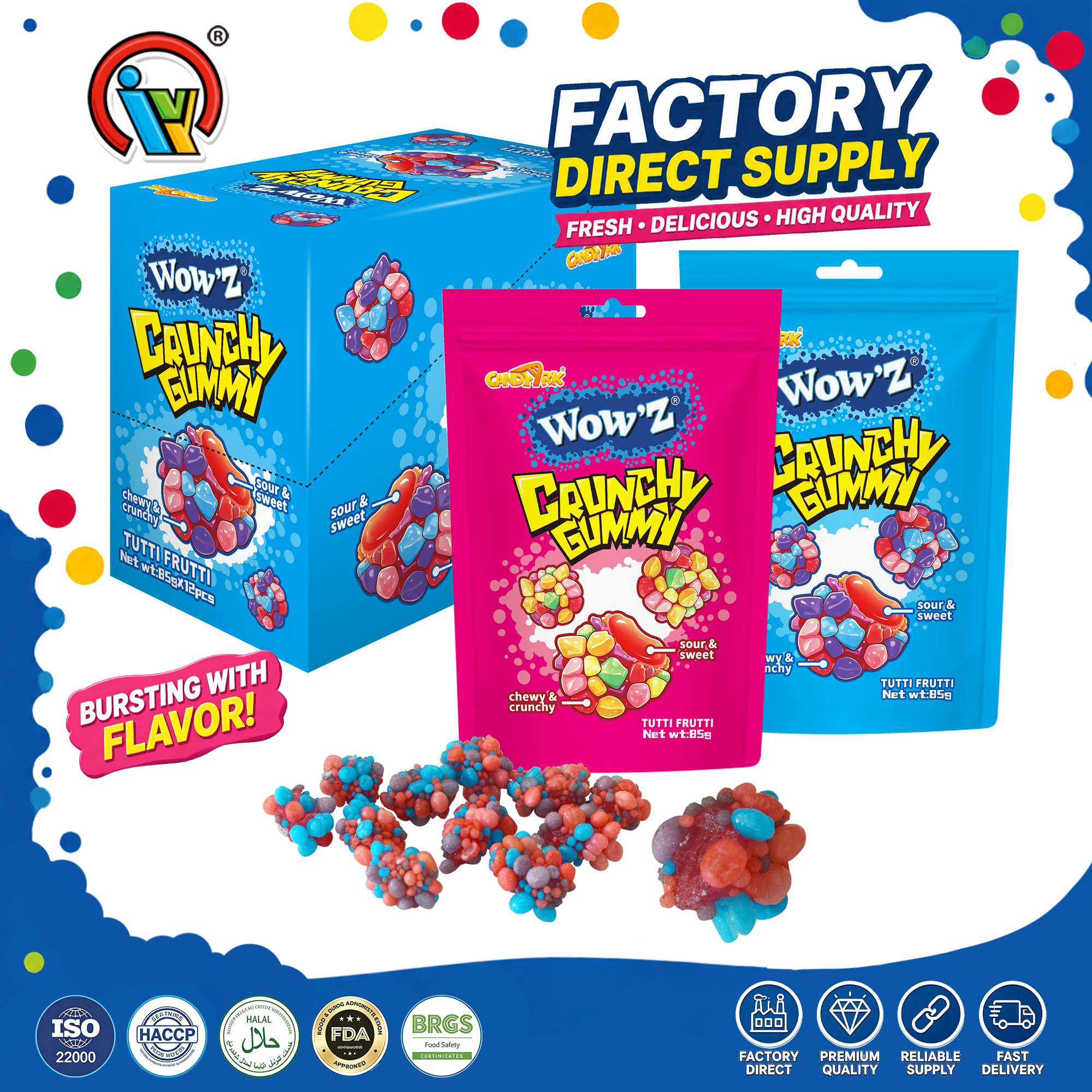
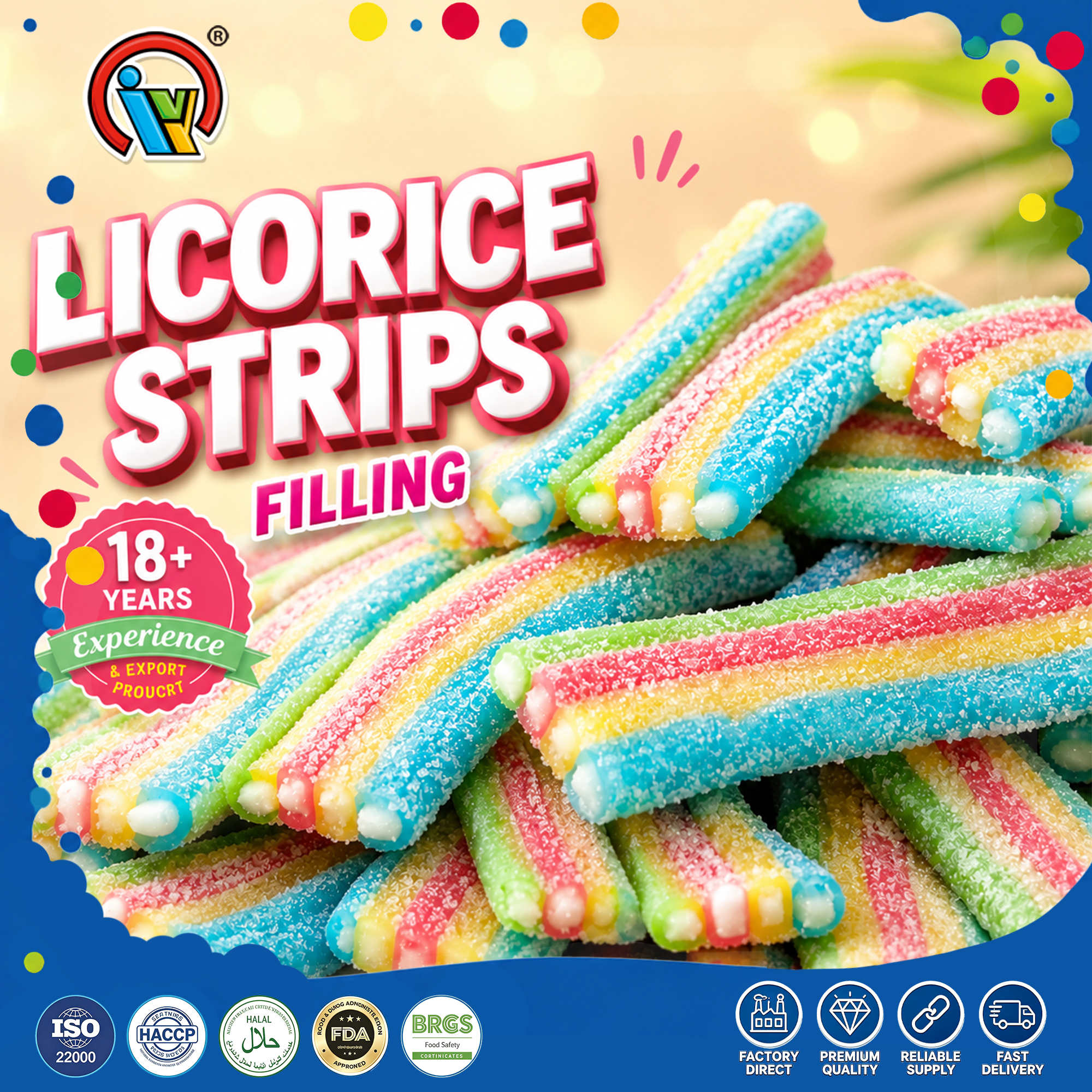
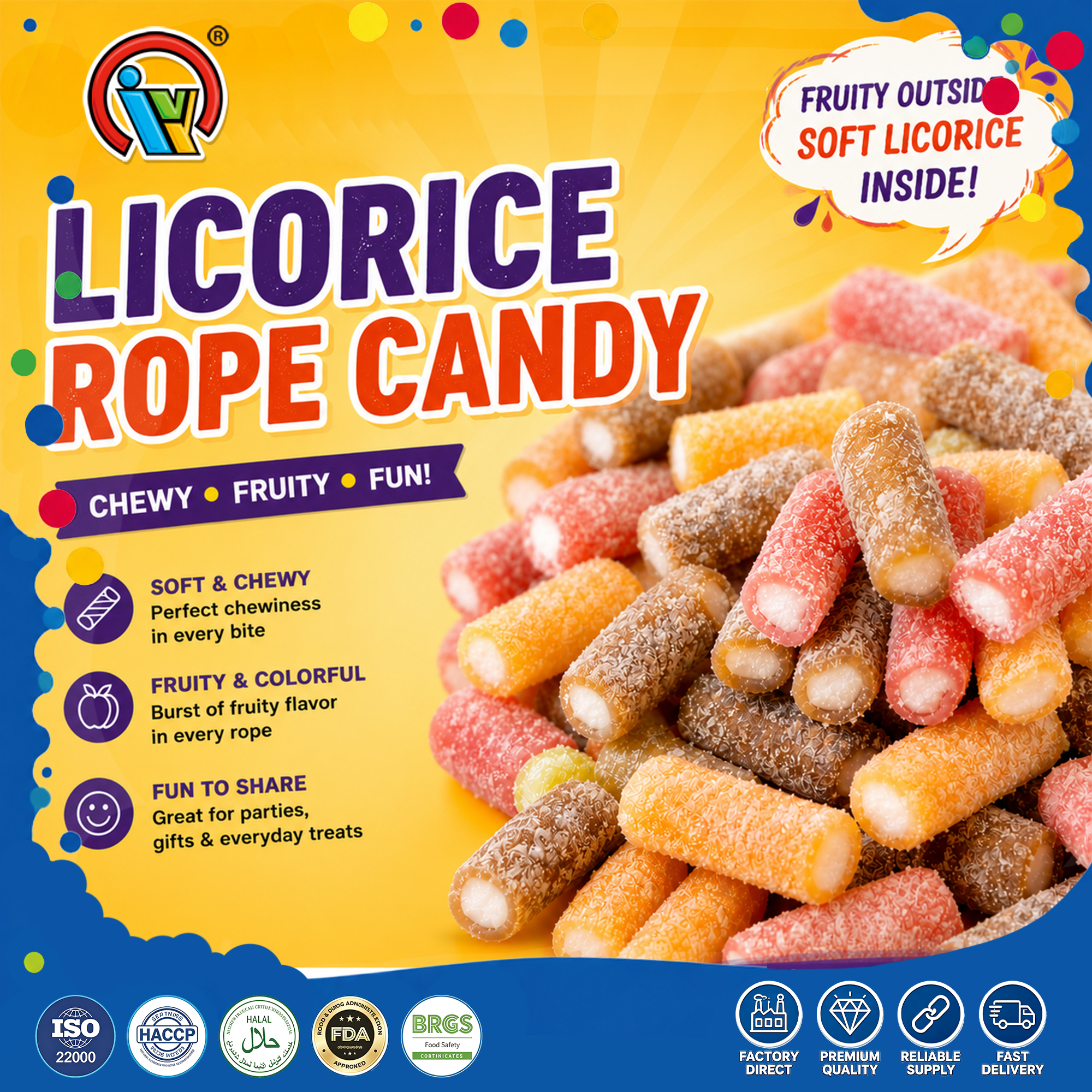
Freeze-dried candy is another strong example of texture-led innovation, offering a completely different crunchy eating experience compared with traditional chewy candy.
For buyers, this means texture can become an important consideration when evaluating new candy products—not just flavor.
2 Bold Sour Flavors Continue to Attract Attention
Sour candy remains an important area of confectionery innovation in 2026.
Rather than relying on simple sweetness, brands are experimenting with more intense sensory experiences through sweet-and-sour combinations, sour coatings, powders and citrus-inspired flavors.
Recent 2026 confectionery launches include sour-led profiles such as cherry lemonade, while industry coverage from the Sweets & Snacks Expo highlighted intense sour and spicy flavors among the formats attracting attention.
Potential product concepts include:
Gummy + Sour Powder
Sweet + Sour
Fruit + Sour Coating
Candy + Dipping Sauce
For distributors, sour products can also work particularly well when paired with colorful packaging and interactive formats.
3 Interactive & Novelty Candy Creates More Fun
One of the most interesting opportunities in candy is turning eating into an experience.
Instead of simply opening a package and eating the candy, novelty products can encourage consumers to:
DIP IT.
MIX IT.
PULL IT.
SQUEEZE IT.
POP IT.
Examples may include:
- Dipping gummy candy
- DIY candy kits
- Candy with liquid jam
- Candy combined with popping candy
- Stretchable or pull-apart gummies
- Multi-component candy products
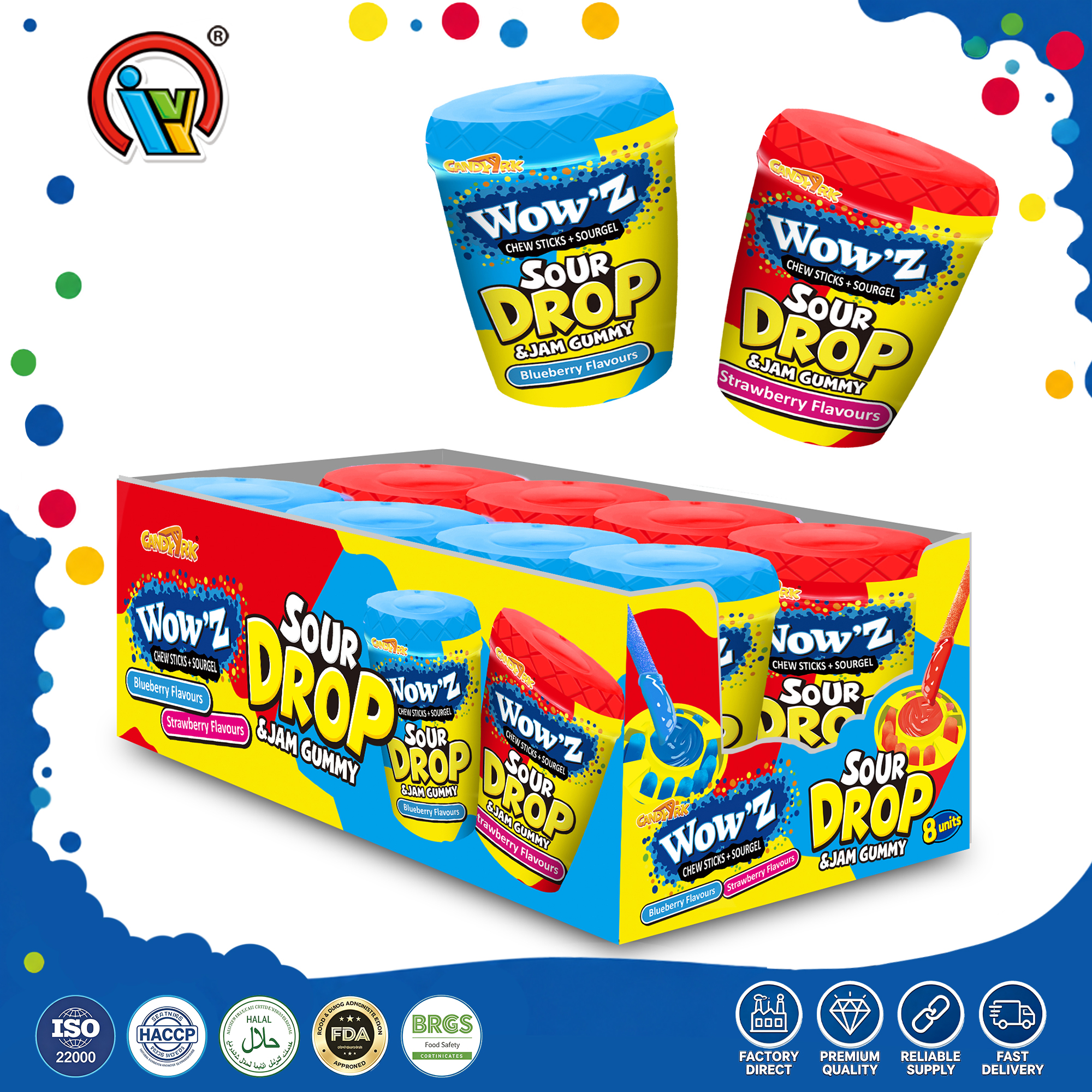
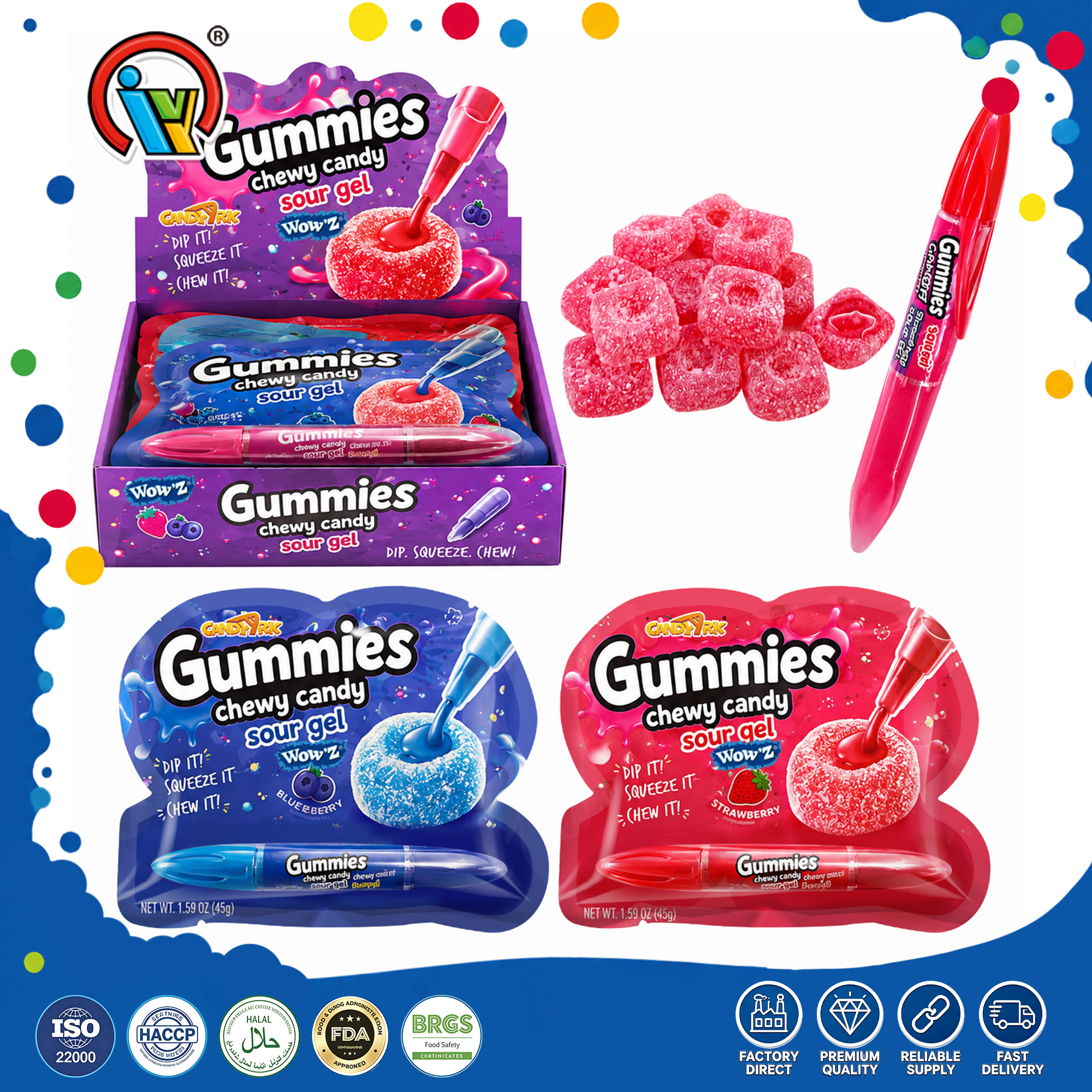
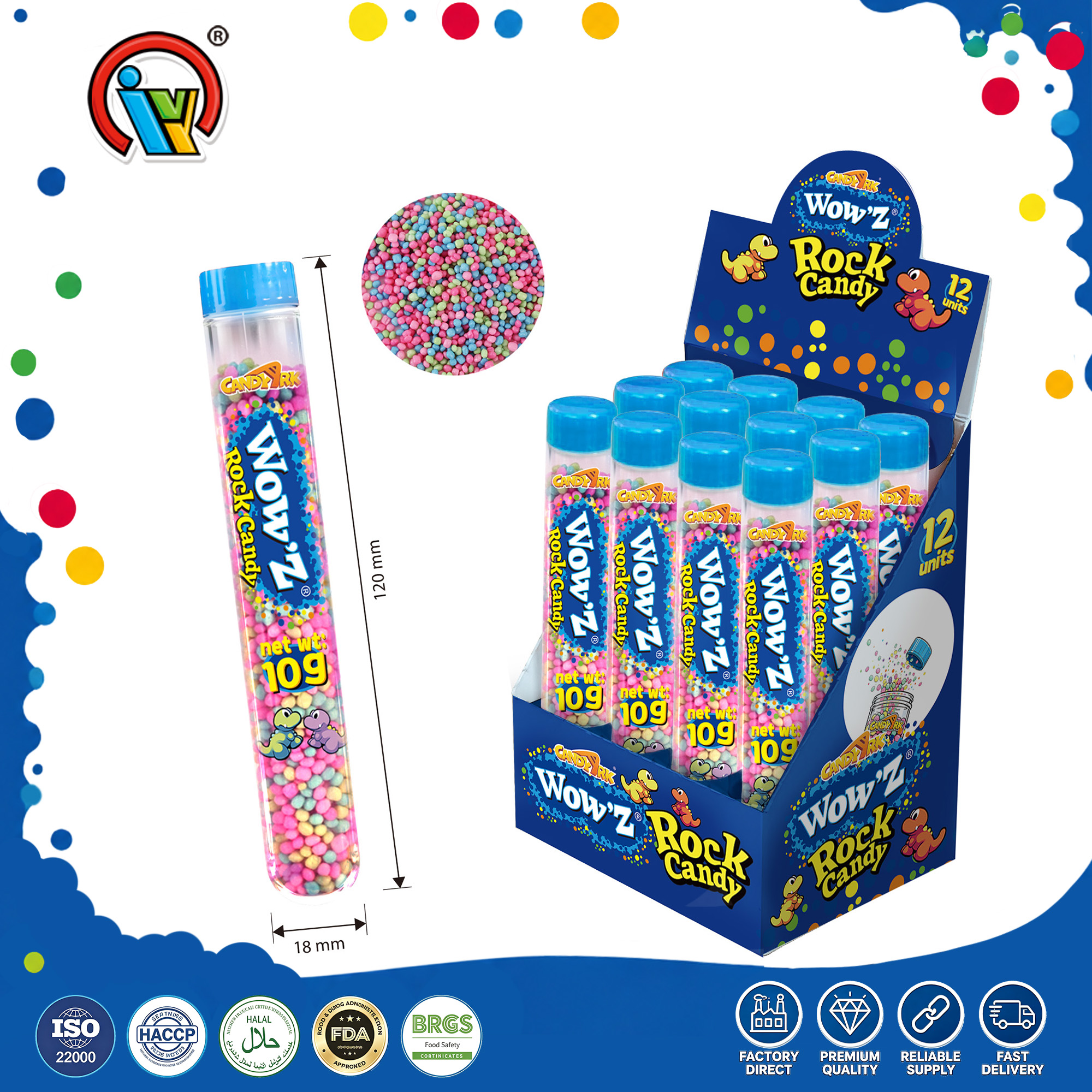
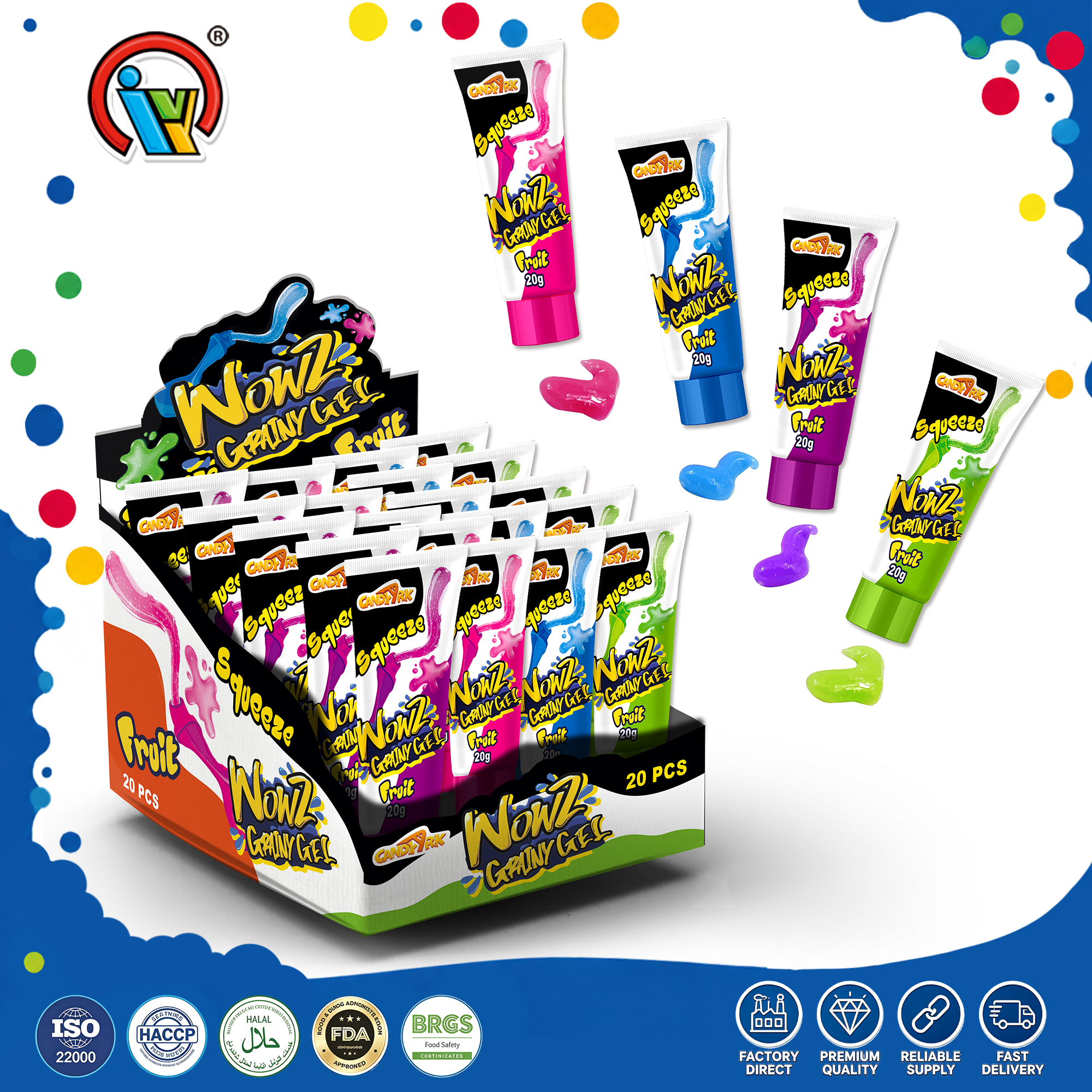
This direction fits a broader 2026 confectionery trend toward fun, theatrical and memorable experiences. Industry observations from the 2026 Sweets & Snacks Expo highlighted products featuring unexpected textures, bright colors and experiential elements designed to create memorable moments.
For importers and distributors, novelty candy can provide a way to differentiate a product range from conventional gummies and hard candies.
4 Social-Media-Friendly Candy Matters More
TikTok, Instagram Reels and YouTube Shorts continue to influence how consumers discover food products.
For candy, this means visual appeal matters.
Texture-driven products are particularly suitable for short-form content because consumers can immediately see—or hear—the product experience.
Think about:
CRUNCH!
STRETCH!
DIP!
POP!
Freeze-dried candy is a good example. Its unusual appearance and exaggerated crunch have helped make the format highly shareable on social media.
Social platforms also favor foods that create visible movement and texture contrasts, from cracking shells to stretchy and chewy centers.
For candy buyers, a useful question in 2026 may therefore be:
“Will consumers want to film this product?”
5 Creative Shapes & Eye-Catching Packaging
In a crowded candy aisle, packaging can influence the first impression before consumers ever taste the product.
That is why brands continue to explore:
- Fruit-inspired packaging
- Animal shapes
- Unusual containers
- Bright color combinations
- Interactive packaging
- Limited-edition designs
Packaging itself can even become part of the product experience. Recent confectionery innovation has included mystery flavors, limited editions and packaging that changes appearance under certain conditions, adding interaction and curiosity to familiar candy products.
For importers and distributors, eye-catching packaging can help create stronger shelf presence—especially in supermarkets, convenience stores and candy shops.
6 Global & Unexpected Flavors Open New Opportunities
Flavor innovation remains essential—even as texture becomes more important.
In 2026, confectionery innovation is drawing inspiration from flavors and food cultures around the world. Matcha, pistachio, cherry lemonade and other distinctive profiles have appeared across recent launches.
At the same time, familiar products can be refreshed through unexpected combinations:
Sweet + Spicy
Sweet + Sour
Fruit + Tea
Creamy + Nutty
This gives importers an opportunity to introduce something new without completely abandoning familiar candy formats.
However, flavor preferences vary significantly between markets. Buyers should always consider local consumer habits before selecting flavors.
7 Private Label & Customization Create More Opportunities
Another important consideration for candy buyers is differentiation.
Instead of competing with identical products, importers, distributors and confectionery brands can develop customized products based on their target market.
Customization may include:
- Flavor
- Candy color
- Shape
- Packaging
- Pack size
- Logo
- Brand design
- Product combinations
For example, a distributor targeting Latin America may require different flavors, package sizes and visual styles from a buyer targeting Europe or the Middle East.
Private label development therefore gives buyers greater flexibility to build a candy portfolio around their own market positioning.
What Should Candy Buyers Look for in 2026?
The biggest takeaway from 2026 is simple:
Candy is becoming more experiential.
Flavor still matters—but successful products increasingly combine several elements:
Taste + Texture + Appearance + Interaction + Packaging
For importers and distributors, this means the next successful product may not simply be another strawberry gummy.
It could be a strawberry gummy with a crunchy coating.
A sour gummy with dipping sauce.
A chewy candy covered with coconut.
Or a DIY candy combining several different eating experiences.
The opportunity lies in creating a clear reason for consumers to notice it, try it and remember it.
Looking for Trending Candy Products for Your Market?
Choosing the right candy is about more than following trends. Importers and distributors need to consider target consumers, flavors, packaging, price positioning and retail channels.
Whether you are looking for gummy candy, sour candy, novelty candy, interactive candy or private label products, developing the right product combination can help your brand stand out in a competitive confectionery market.
Looking for new candy ideas for your market? Contact us to explore available products, customization options and private label solutions.
Post time: Aug-20-2026